

















How to identify hyperpigmentation? Types, causes, and treatments
Summary
What is hyperpigmentation?
It is a localized excess of melanin, the natural pigment of the skin, which manifests as brown spots, darker than the original complexion. These spots can appear all over the body, but are more common on the face, décolleté, and hands. They can have a significant aesthetic and emotional impact. To treat them properly, they must first be identified.
Most common types of pigment spots:
1. Solar or senile lentigines
- Characteristics: Small, well-defined brown spots of varying sizes.
- Cause: Chronic sun exposure, especially on photo-exposed areas.
- Location: Face, back of hands, forearms, décolleté.
- Treatment: Depigmenting creams, mild peels, laser or intense pulsed light (IPL).
2. Melasma
- Characteristics: Diffuse, symmetrical brown spots, often with irregular borders.
- Cause: Hormonal changes (pregnancy, contraceptives, thyroid disorders) + sun exposure.
- Location: Cheeks, forehead, upper lip, chin.
- Treatment: Strict sun protection, tyrosinase inhibitors, combined depigmenters. Avoid aggressive lasers on darker skin.
3. Post-inflammatory hyperpigmentation (PIH)
- Characteristics: Residual brown spots after an injury (acne, eczema, burns, aggressive treatments).
- Cause: Inflammation that stimulates melanin production.
- Location: Any area affected by inflammation, often the face and back.
- Treatment: Gentle depigmenting creams, photoprotection, controlled exfoliation.
4. Hormonal or drug-induced pigmentation
- Characteristics: Diffuse pigmentations related to medical treatments or pathologies.
- Example: Melasma induced by contraceptives, pigmentation related to certain medications.
- Treatment: Discontinuation of the trigger agent if possible, photoprotection, depigmenters.
How to make a diagnosis?
The dermatologist performs a clinical examination and may use Wood's lamp or dermoscopy to assess the depth of pigmentation.
The role of sun protection
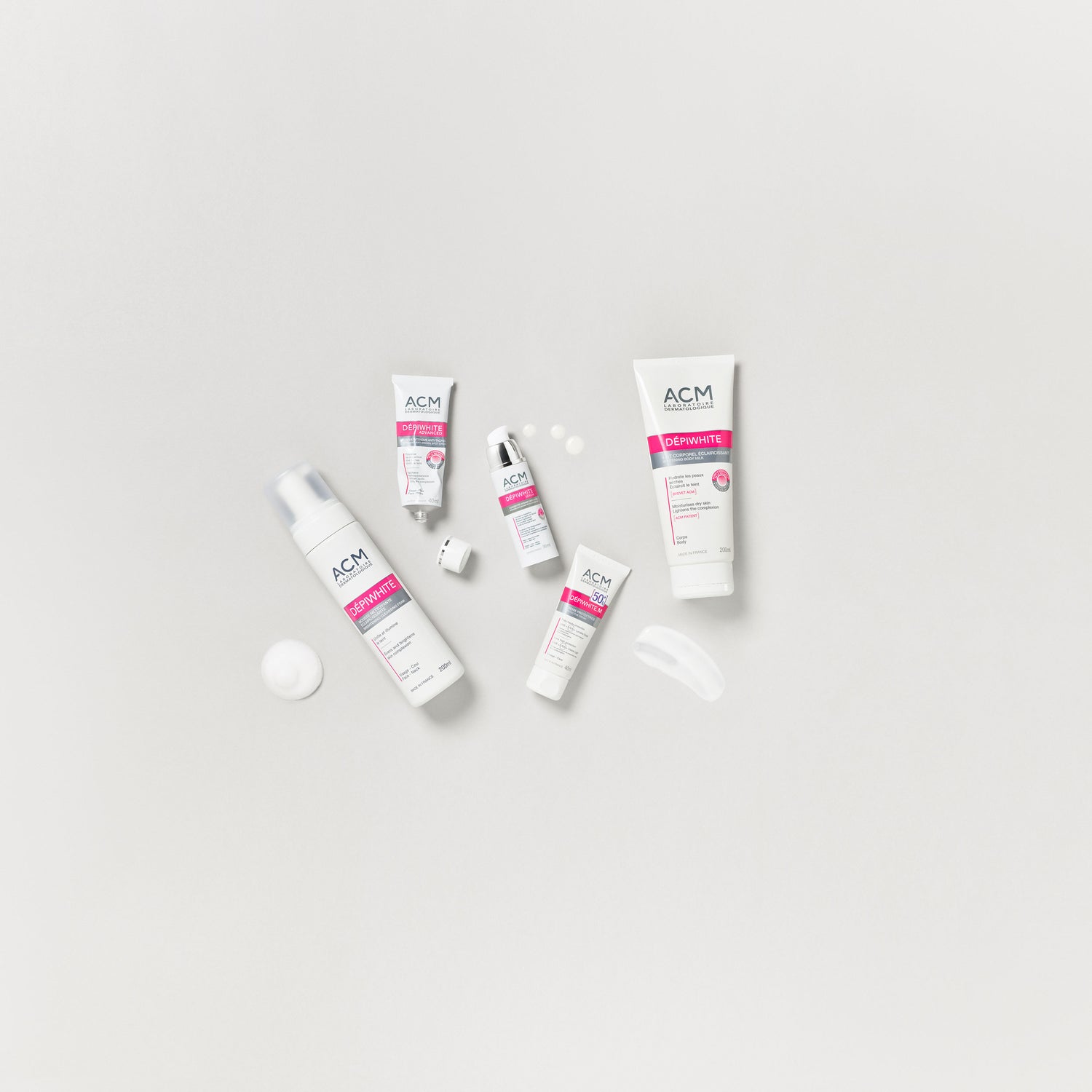
Regardless of the type of spot, photoprotection is essential. UV and visible light worsen all forms of hyperpigmentation. Daily broad-spectrum protection is recommended, ideally formulated for blemish-prone skin, such as Dépiwhite.M SPF 50+.
Why is personalized treatment important?
Each type of spot requires a different approach. Melasma, for example, requires longer treatment than a lentigo. In darker skin tones, PIH is common and can worsen with inappropriate care. Medical follow-up is therefore essential.
Sources
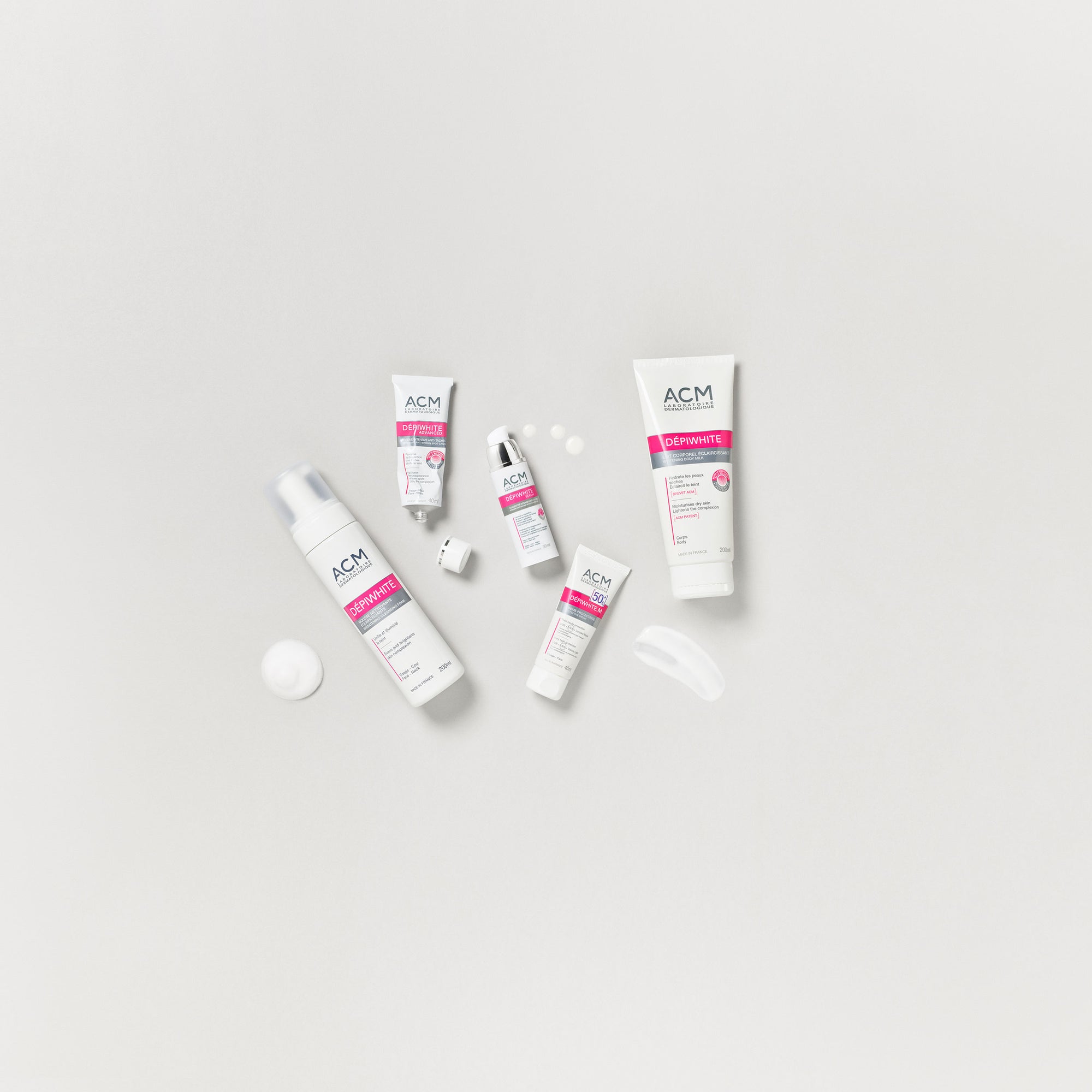
Our recommendation: the DEPIWHITE range
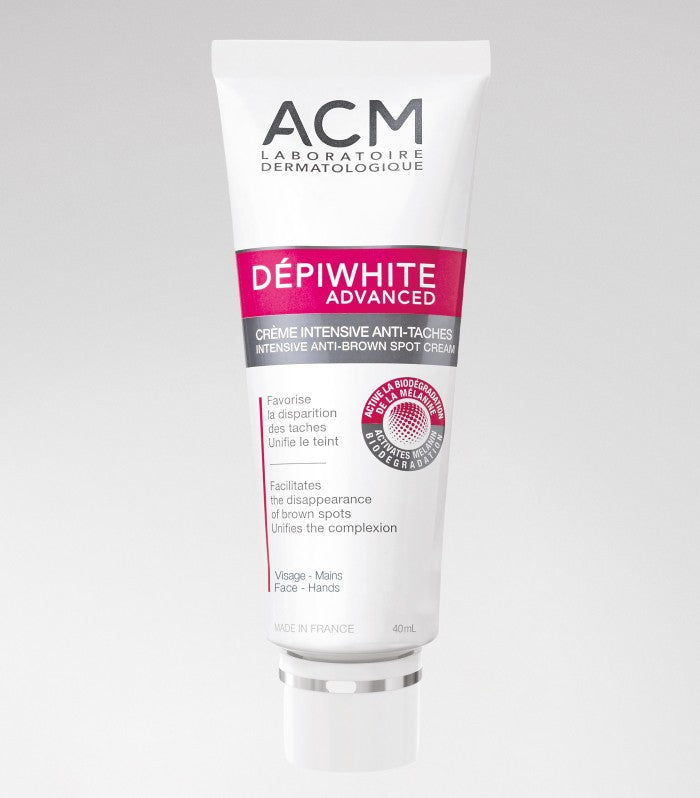
Dépiwhite
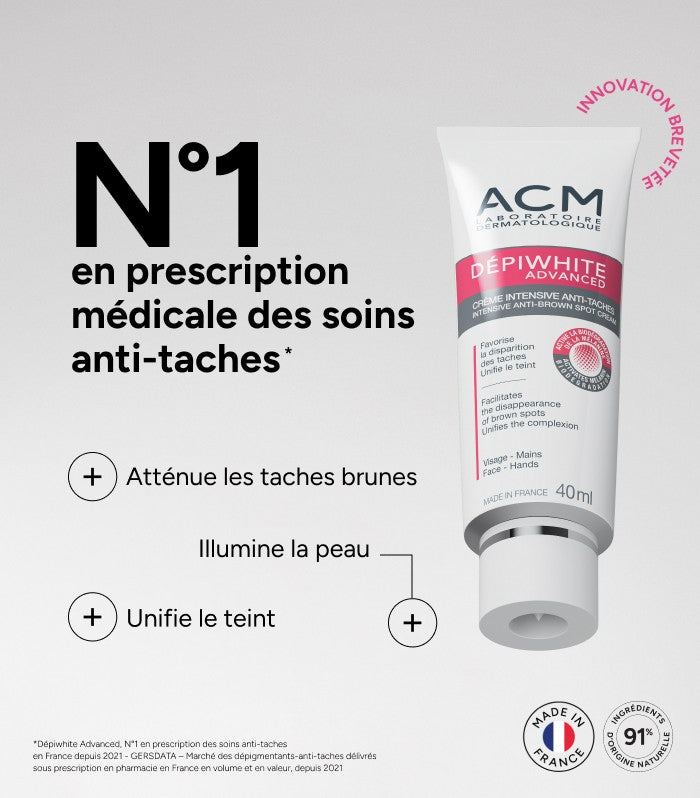
Advanced Intensive Anti-Dark Spot Cream
 148
Reviews
148
Reviews
No. 1 in anti-blemish treatments


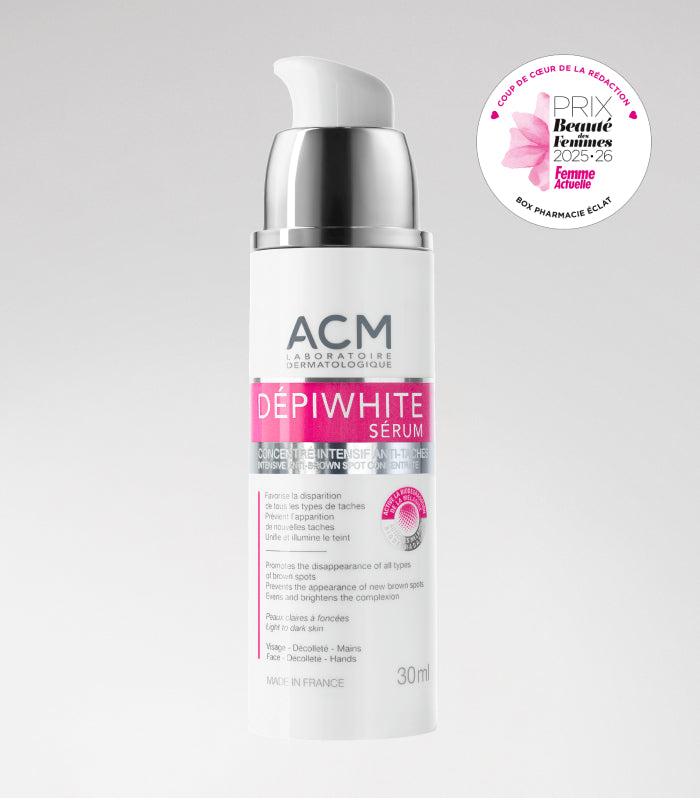

Dépiwhite
Dépiwhite Intensive Anti-Dark Spot Concentrated Serum
 102
Reviews
102
Reviews
The most complete anti-blemish serum
Read also
Rétinol : guide complet pour l'intégrer dans sa routine sans erreur
AHA 5 %, 10 %, 15 % : concentration et objectif