















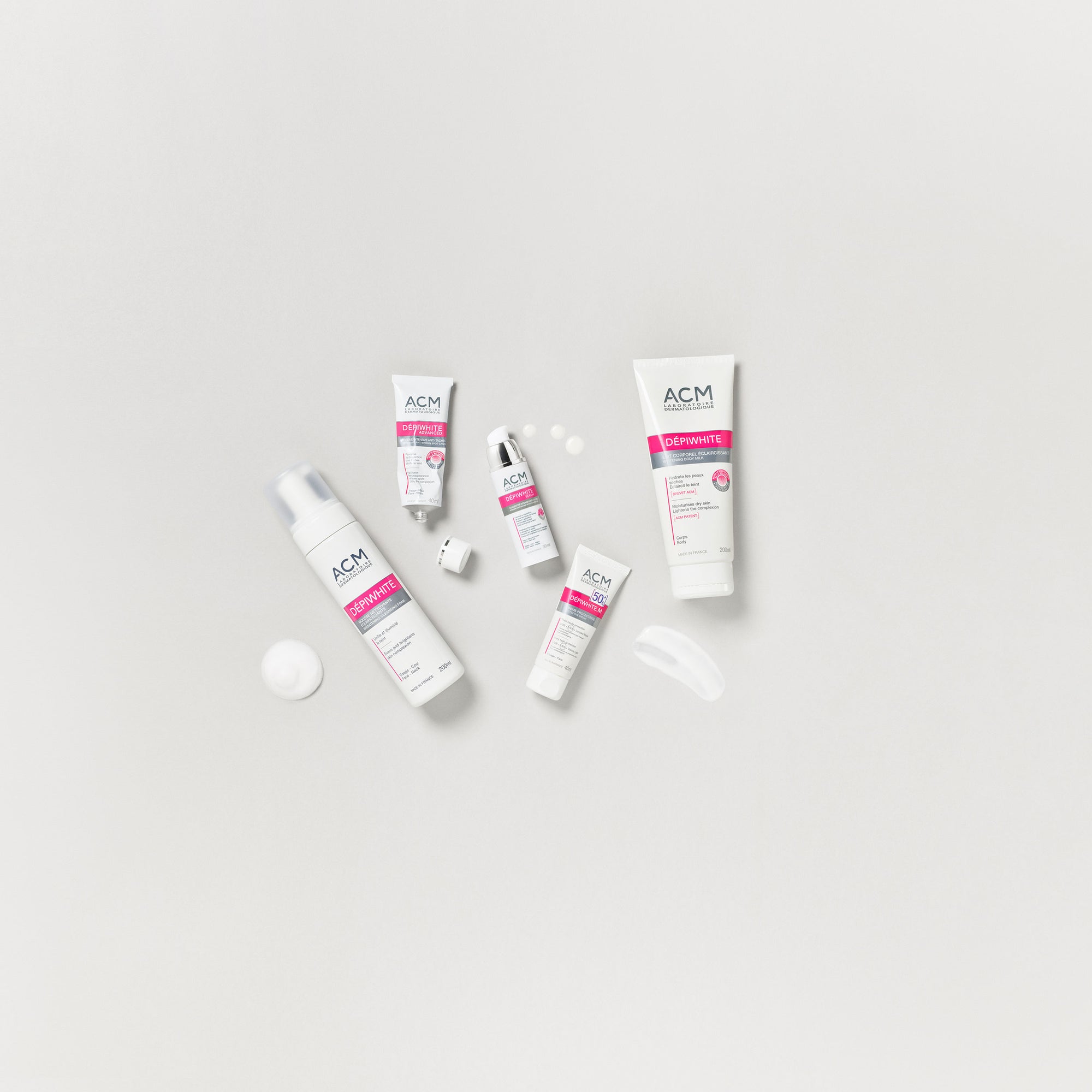


Hyperpigmentation – What Are the Most Effective Treatments?
Summary
Topical treatments: the foundation of any routine
They constitute the first line of treatment and act on melanin production or cell renewal. The most commonly used are:
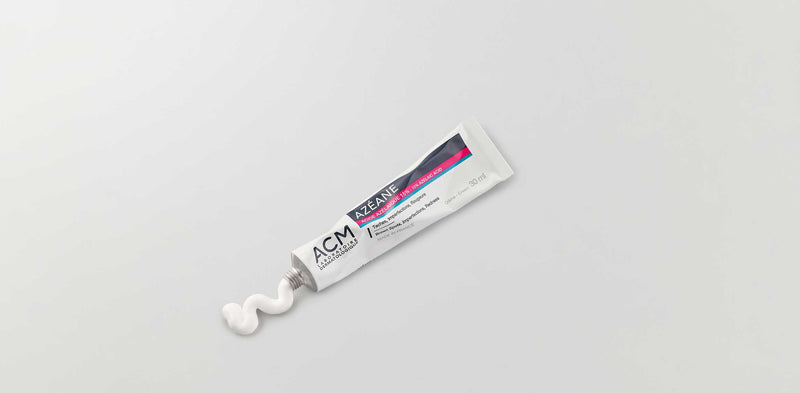
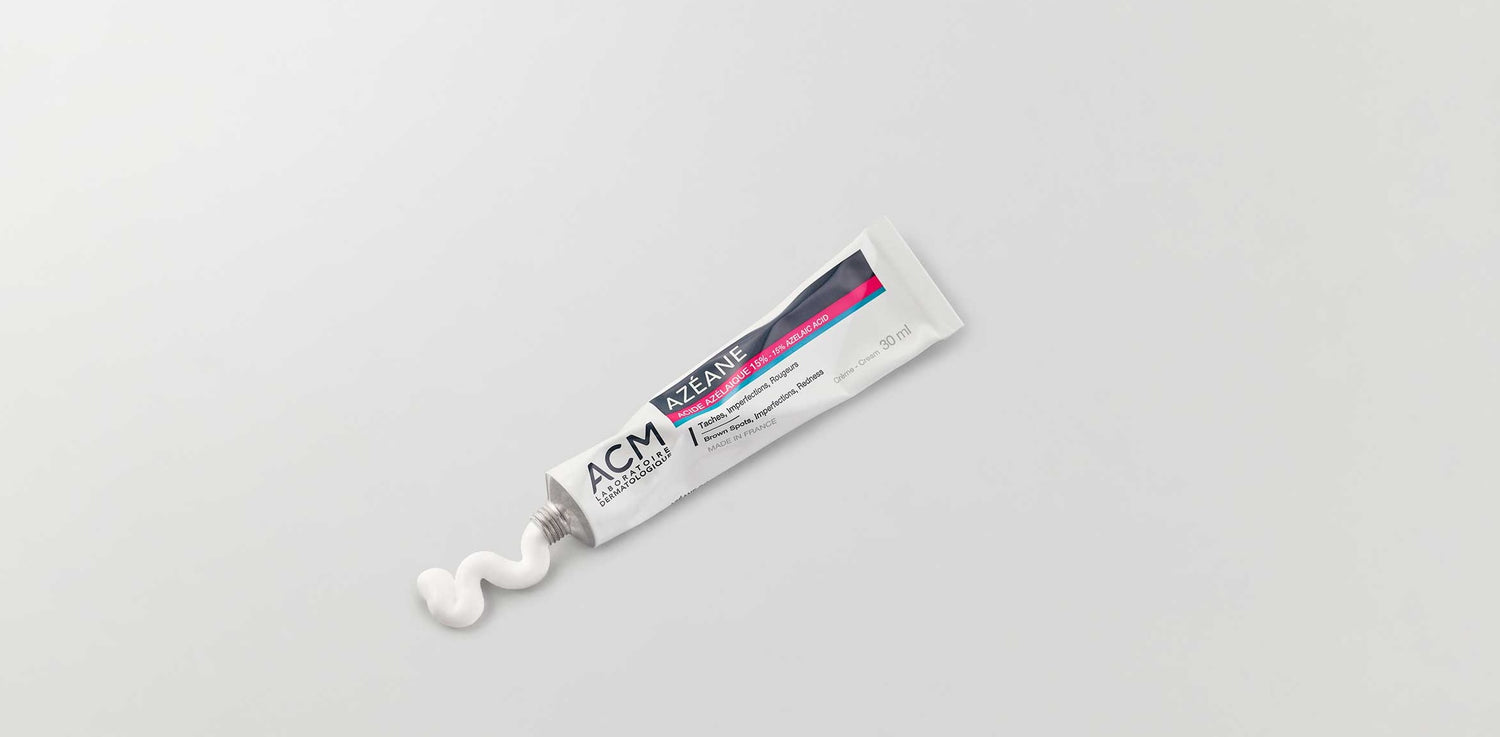
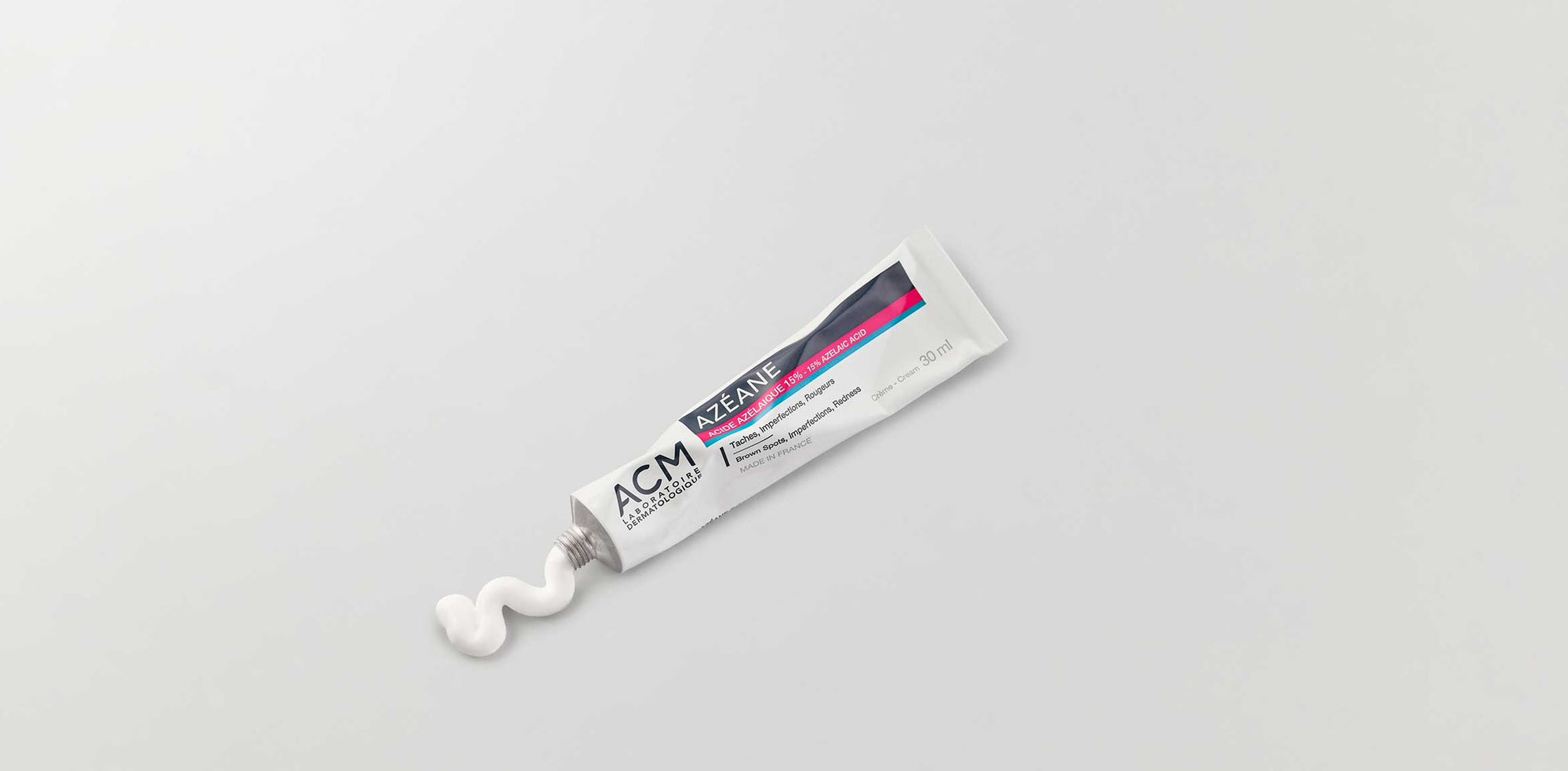
- Tyrosinase inhibitors: arbutin, kojic acid, azelaic acid
- Retinoids: stimulate cell renewal, improve texture, and help remove surface pigments
- Niacinamide: reduces melanin transfer to keratinocytes
- Vitamin C: antioxidant that improves overall skin tone
These treatments require consistency and several weeks to show results.
Chemical peels
Depigmenting peels use acids (trichloroacetic, glycolic, salicylic) to exfoliate the superficial layers of the skin. Useful for:
- Superficial hyperpigmentation (epidermal)
- Skin with uneven texture
- Strengthening topical treatments
On darker skin, they must be used with caution to avoid secondary post-inflammatory hyperpigmentation (PIH).
Lasers and intense pulsed light (IPL)
Technologies such as Q-switched laser, fractional laser, or intense pulsed light can remove certain spots like solar lentigines.
- Advantages: fast and targeted results
- Disadvantages: risk of pigment rebound, especially for melasma or darker skin
These treatments should always be performed under medical supervision, with appropriate preparation and follow-up.
Microneedling
This technique consists of creating controlled micro-perforations in the skin to promote the penetration of depigmenting active ingredients. It is safe for most skin types and improves overall skin texture.
What is the best treatment?
There is no single solution. The ideal is to combine several tools depending on the type of spot, skin type, and skin tolerance. Medical follow-up is essential to evaluate the treatment response.
Consistency and prevention: the real treatment
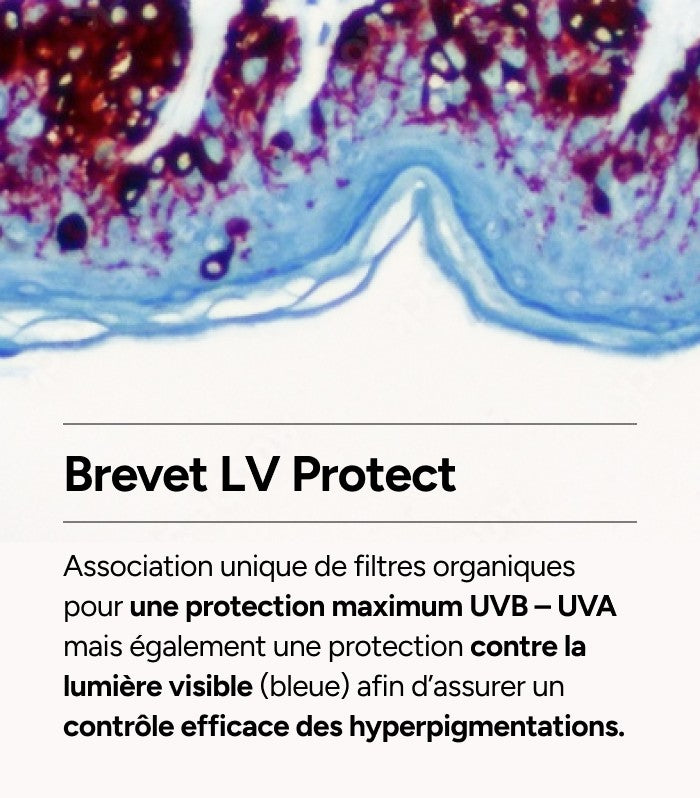
Hyperpigmentation tends to recur without a prevention routine. Sun exposure, hormones, or lesions can lead to relapses. Hence the importance of photoprotection, which is as essential as active treatment.
Sources
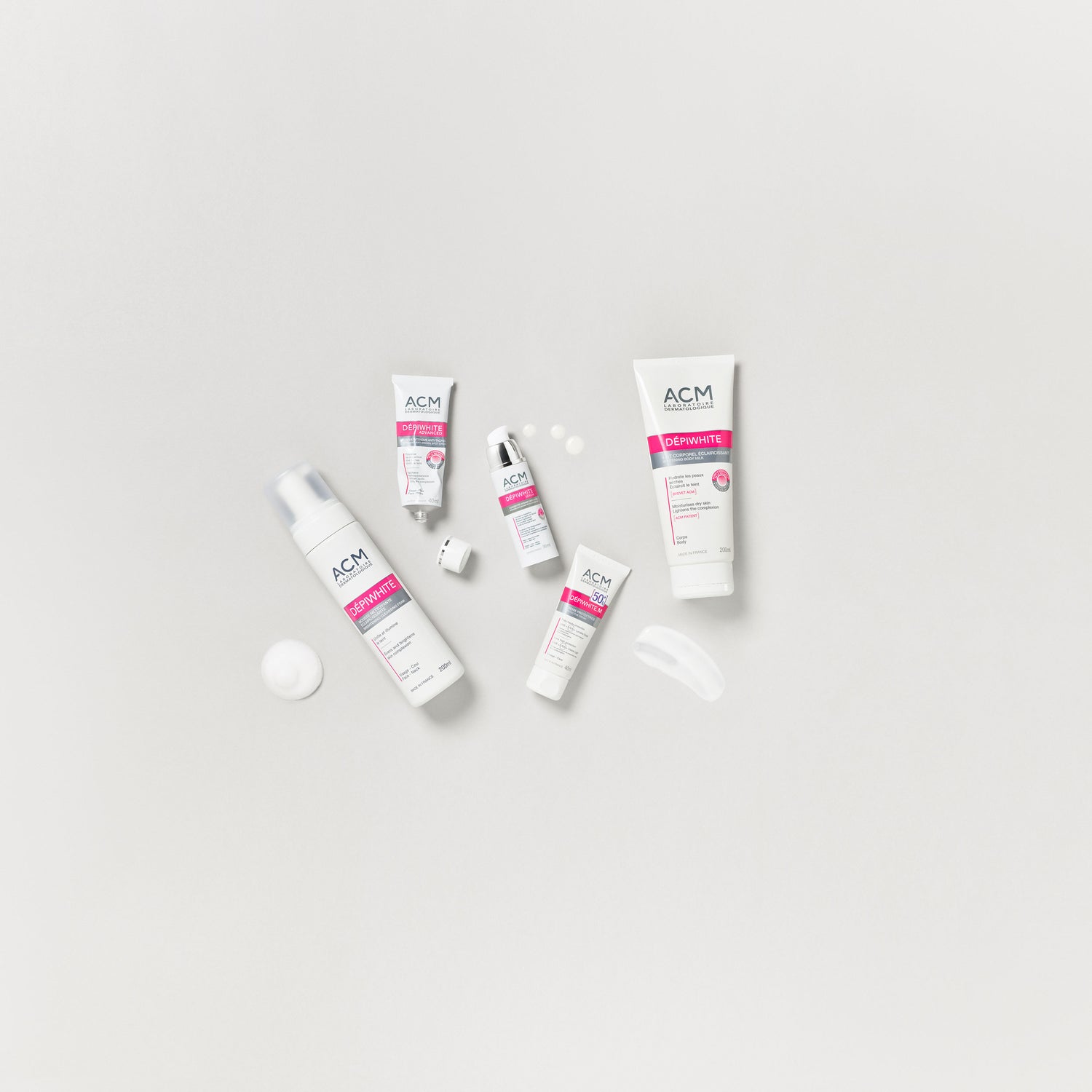
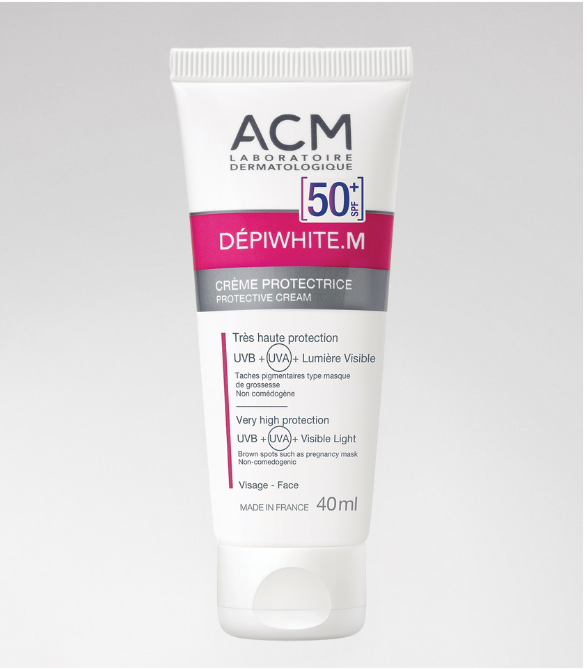
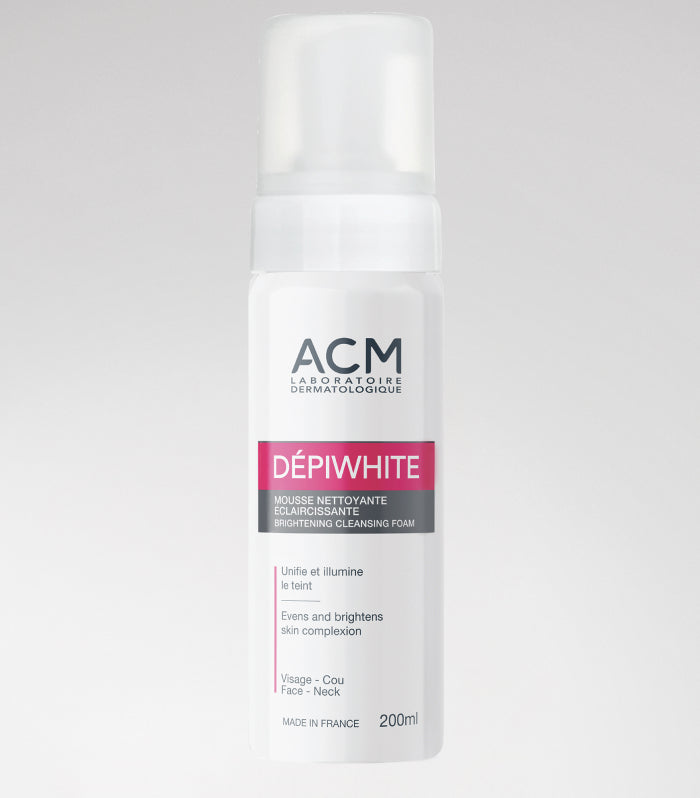
We recommend the DEPIWHITE range
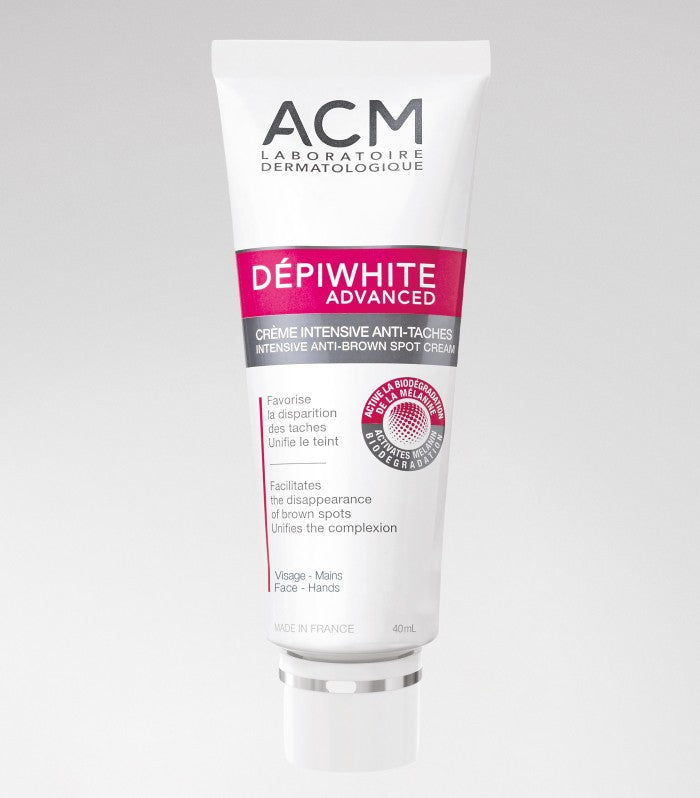
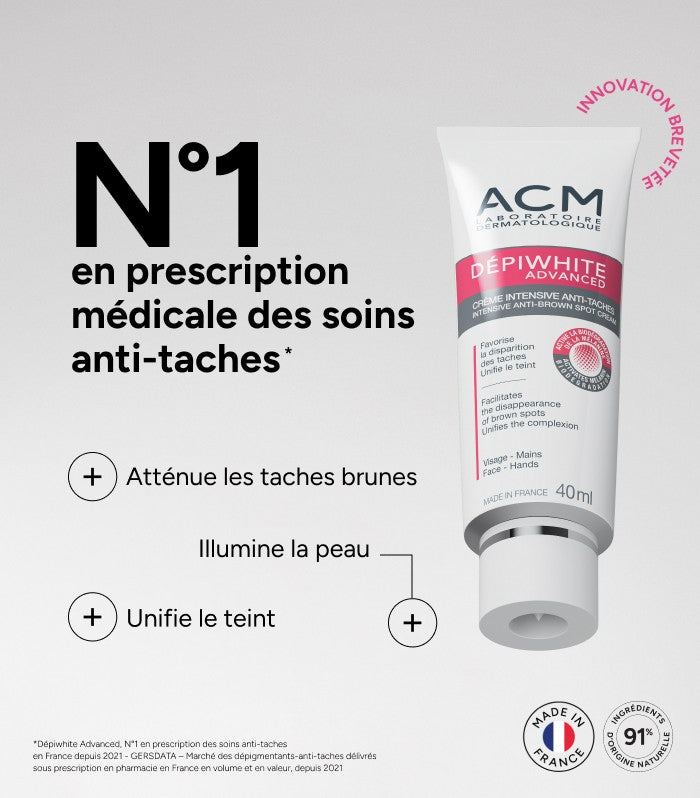
Dépiwhite
Advanced Intensive Anti-Dark Spot Cream
 148
Reviews
148
Reviews
No. 1 in anti-blemish treatments



Read also
Rétinol : guide complet pour l'intégrer dans sa routine sans erreur
AHA 5 %, 10 %, 15 % : concentration et objectif