















Free shipping for orders over 40€

 
Your needs
Our dermatological solutions
Choose a language
Cart
Symptômes et solutions pour ongles cassants ou striés Symptômes et solutions pour ongles cassants ou striés Symptômes et solutions pour ongles cassants ou striés Symptômes et solutions pour ongles cassants ou striés

Symptoms and solutions for brittle or ridged nails

Are your nails breaking, splitting easily, or appearing ridged? Often dismissed, these signs actually indicate damage to the nail structure. Understanding this impact can help you adopt appropriate practices for stronger, more beautiful nails day after day.

In this article, we review the symptoms, most common causes, and suitable solutions from ACM Dermatological Laboratory to strengthen brittle nails and improve their ridged appearance.

Summary


1 - What are the symptoms of brittle or ridged nails?2 - Brittle and ridged nails: the most common causes3 - 4 - Solutions with the Novophane range5 - Most frequently asked questions:

What are the symptoms of brittle or ridged nails?

Fragile nails can take various forms, sometimes combined [1]:

  • Brittle nails: they break easily, indicating insufficient cohesion of the keratin layers.

  • Soft nails: the nail material becomes more flexible and loses resistance.

  • Peeling nails: the nail separates into thin layers.

  • Longitudinal ridges: vertical lines appear, indicating irregular growth.

Overall, these conditions indicate a fragilization of the nail plate, the hard, translucent surface of the nail, with an alteration of the keratinization process [2].

Brittle and ridged nails: the most common causes

Various internal and external factors can cause nail fragility by impacting the quality of their keratinization and slowing their growth.

Internal factors

External factors

  • Genetic predispositions: the intrinsic quality of the nail plate varies from person to person, making the nail naturally more or less fragile.
  • Nutritional imbalances: deficiencies in iron, zinc, or B vitamins prevent proper keratinization [3].
  • Age: keratin production naturally becomes less uniform with age.
  • Hormonal variations (pregnancy, postpartum, menopause).
  • Prolonged fatigue or stress.
  • Repeated exposure to water, detergents, or solvents.
  • Aggressive manicures, frequent use of nail polish remover.
  • Climatic variations (cold, dryness).
  • Daily microtraumas like shocks.

Solutions with the Novophane range

The Novophane range from Laboratoire Dermatologique ACM is specifically designed to support the vitality of phanera and strengthen nails and hair.

Novaphane is based on a comprehensive approach to nail and hair care with:

  • Targeted micronutrient intake essential for normal keratin metabolism.

  • Formulas developed under dermatological control.

  • Complementary solutions: oral and topical forms, depending on needs and preferences.

The Nail Cream precisely targets weakened, ridged, and brittle nails. To improve their resistance and strengthen their structure, it combines:

  • Biotin (in the form of vitamin H, also known as B8) for keratin synthesis.
  • Moisturizing agents: squalane, glycerin, and urea.
  • Nourishing and protective agents: beeswax, sweet almond oil.

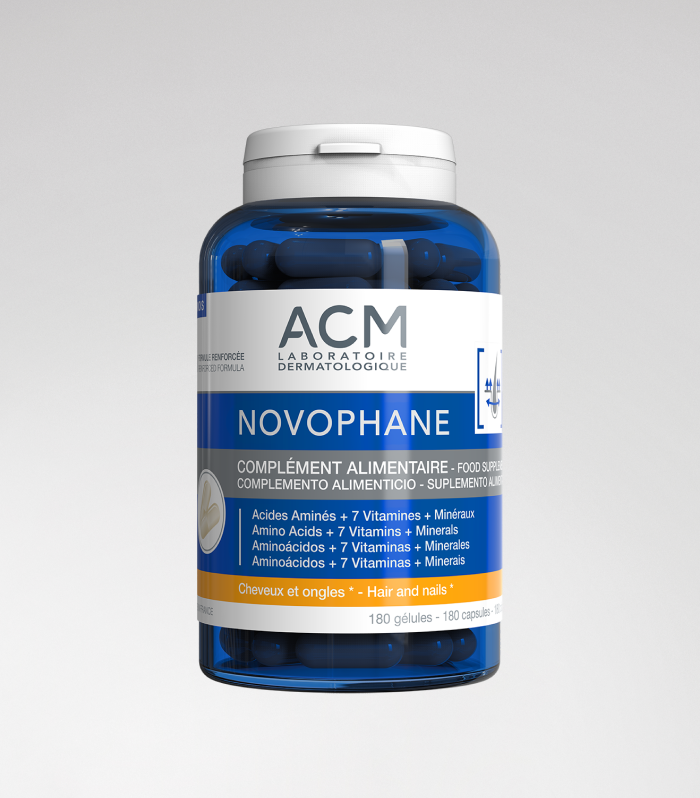
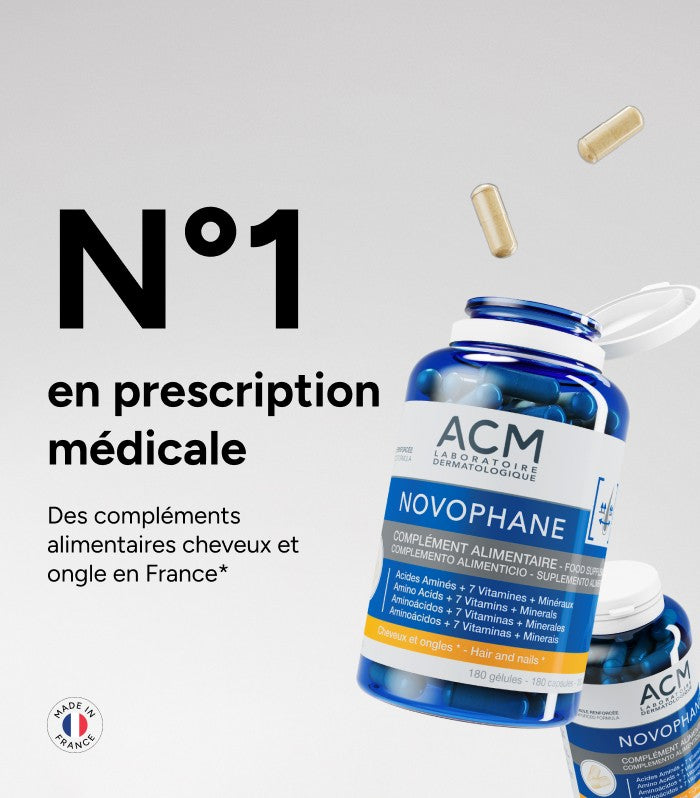
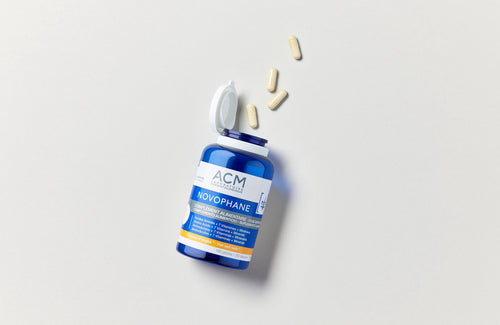
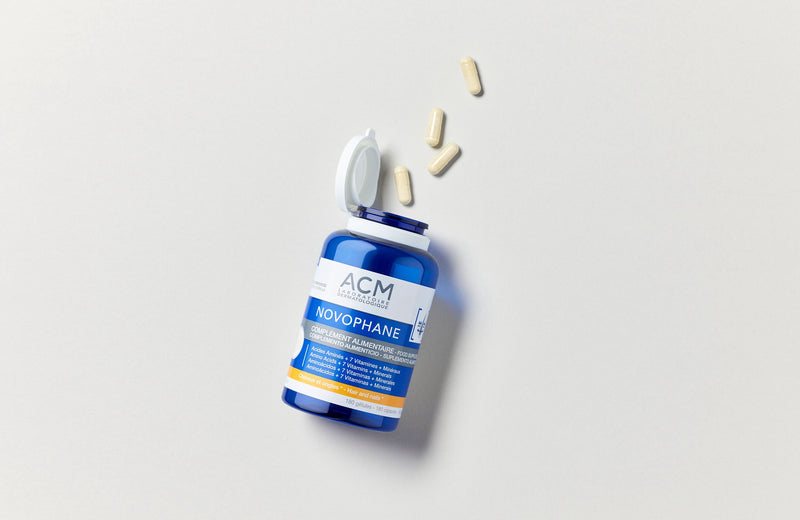
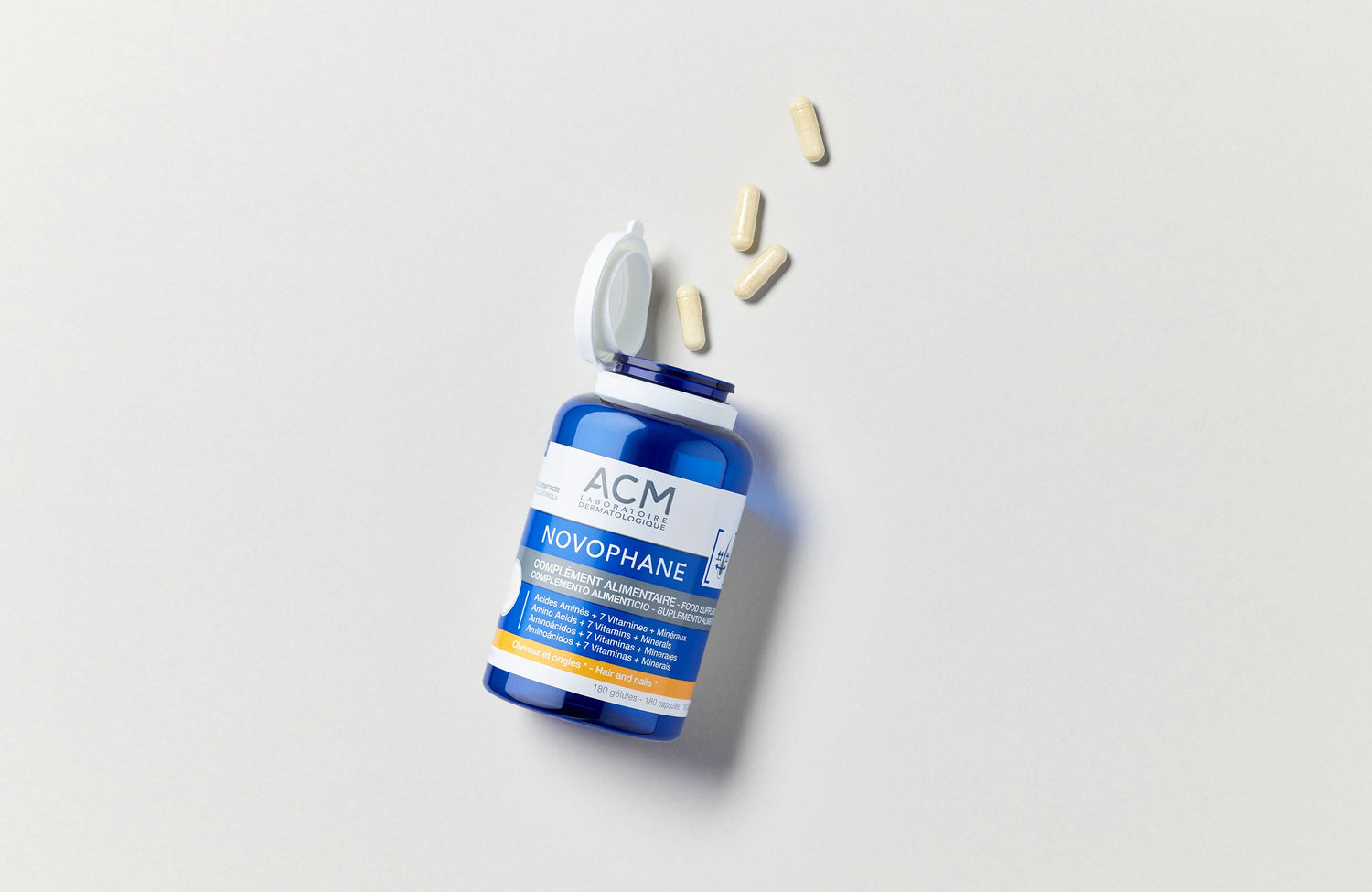
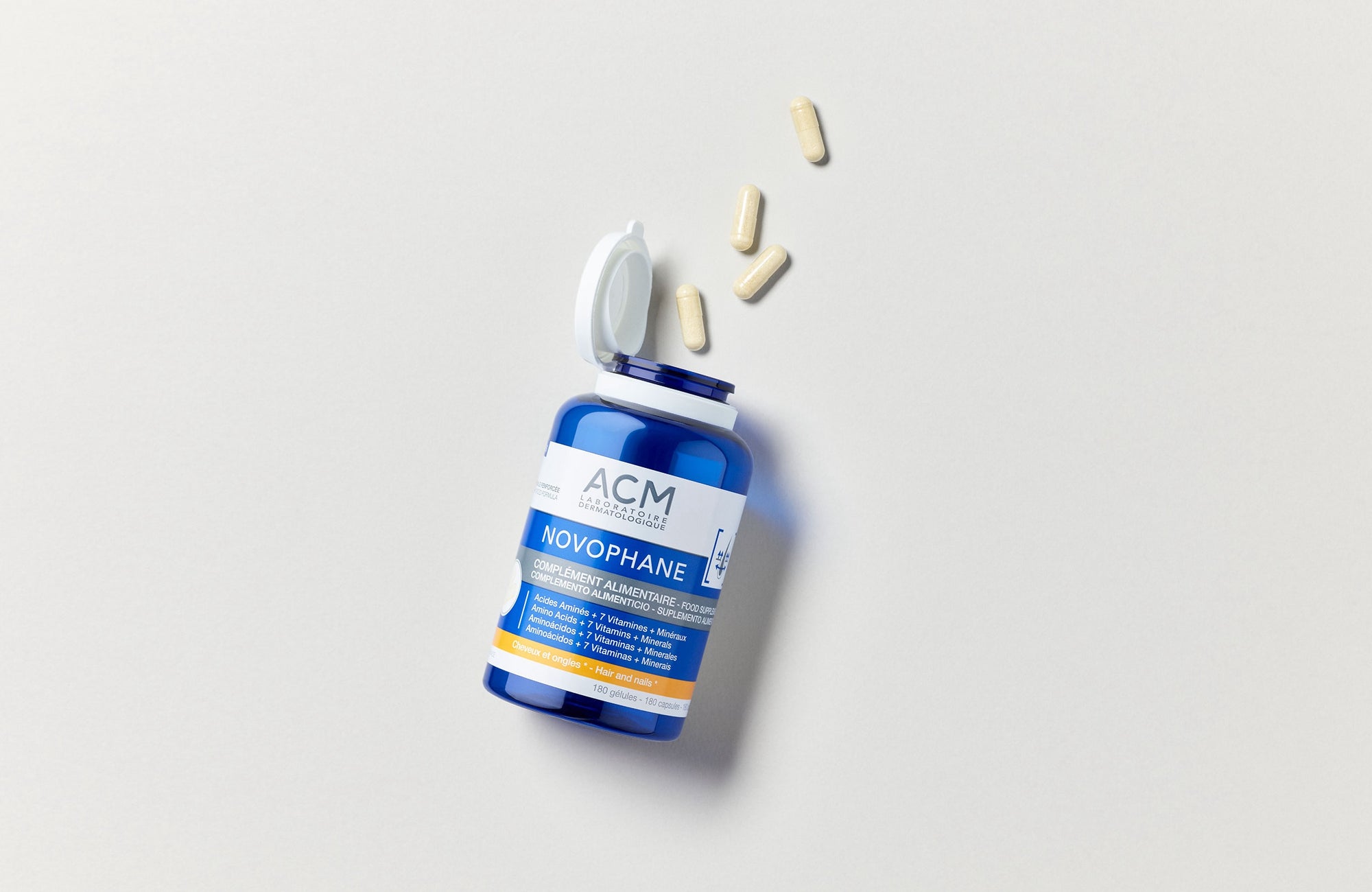
The Novaphane capsules food supplement works from within. In addition to essential nutrients (biotin, vitamin B6, cystine, methionine, zinc, copper), it contains a horsetail extract rich in silicon, a major component of the nail and its growth.

Brittle, soft, or ridged nails indicate multifactorial fragility of the nail plate, linked to daily aggressions, physiological variations, and individual sensitivities. A better understanding of these mechanisms allows for adapted actions, such as Novophane formulas, specifically developed to promote keratinization and sustainably support nail quality and resistance.

Most frequently asked questions:

What deficiencies cause brittle nails?

Brittle nails can be associated with deficiencies in iron, zinc, or B vitamins. These nutrients participate in the normal formation of keratin, a major constituent of the nail. For healthy nails, it is therefore important to ensure sufficient daily intake.

How to know if you have an iron deficiency in your nails?

Pale, fragile, or ridged nails can be a non-specific sign of iron deficiency. These manifestations alone are not sufficient: to identify an iron deficiency, it is essential to perform analyses under medical supervision.

What vitamins for brittle nails?

Vitamins B8 or H (biotin), B6, and B12 play a key role in keratin metabolism, which is responsible for nail formation and growth. Adequate intake contributes to maintaining normal nails, as part of a balanced diet or supervised supplementation.

Sources

[1] Shemer A, Daniel CR 3rd. Common nail disorders. Clin Dermatol. 2013 Sep-Oct;31(5):578-86. doi: 10.1016/j.clindermatol.2013.06.015. PMID: 24079587.
[2] Reinecke JK, Hinshaw MA. Nail health in women. Int J Womens Dermatol. 2020 Feb 5;6(2):73-79. doi: 10.1016/j.ijwd.2020.01.006. PMID: 32258335; PMCID: PMC7105659.
[3] Seshadri D, De D. Nails in nutritional deficiencies. Indian J Dermatol Venereol Leprol 2012;78:237-241

We recommend the Novophane range


Capsules Capsules
180
60

Novophane

Capsules

132 Reviews

No. 1 in medical prescription

38,35€
Nail cream Nail cream
15 ml

Novophane

Nail cream

45 Reviews

Nail strengthening cream

15,80€

Read also


Pigmentation

Actifs anti-taches : lequel choisir selon votre type de peau et vos taches ?

1 personne sur 2 rapporte être concernée par au moins un trouble de la pigmentation (A)... Pour y répondre, de nombreux actifs anti-taches sont mis...
Read more
AcnéGrossessePigmentation

Grossesse et peau : pourquoi l'acide azélaïque est l'actif allié des futures mamans

Acné qui revient sans prévenir, taches brunes, peau qui tiraille au moindre soin… La grossesse transforme votre peau alors que tous les actifs effi...
Read more
FrottementsIntertrigoSport

Frottements et irritations en sport : comment les prévenir et les traiter ?

Vous êtes au kilomètre 20 de votre course et la douleur entre les cuisses devient insupportable ? Vos chaussures vous brûlent les talons et votre m...
Read more

FAQ

Quelles carences provoquent des ongles cassants ?
Les ongles cassants peuvent être associés à des déficits en fer, zinc ou vitamines du groupe B. Ces nutriments participent à la formation normale de la kératine, élément constitutif majeur de l’ongle. Pour des ongles en bonne santé, il est donc important de veiller à des apports quotidiens suffisants.
Comment savoir si on manque de fer sur les ongles ?
Des ongles pâles, fragiles ou striés peuvent être un signe non spécifique d’un déficit en fer. Ces manifestations ne suffisent pas à elles seules : pour identifier une carence en fer, il est indispensable de réaliser des analyses encadrées par un avis médical.
Quelles vitamines pour les ongles cassants ?
Les vitamines B8 ou H (biotine), B6 et B12 jouent un rôle clé dans le métabolisme de la kératine, à l’origine de la formation et de la croissance de l’ongle. Des apports adaptés contribuent au maintien d’ongles normaux, dans le cadre d’une alimentation équilibrée ou d’une supplémentation encadrée.