

















How does hyperpigmentation vary by skin tone?
Summary
What is a phototype?
Phototype is a classification of skin based on its ability to tan or burn in the sun. The most widely used scale is Fitzpatrick's, which ranges from I to VI:
- Phototype I: very fair skin, light eyes, always burns, never tans.
- Phototype II: fair skin, burns easily, tans very little.
- Phototype III: fair to medium skin, burns moderately, tans gradually.
- Phototype IV: olive skin, rarely burns, always tans.
- Phototype V-VI: dark to very dark skin, rarely burns, tans intensely.
Why are darker skin types more prone to certain spots?
Skins with high phototypes (IV to VI) have more active melanocytes and a greater capacity to produce melanin. While this provides natural sun protection, it also comes with increased sensitivity to post-inflammatory hyperpigmentation (PIH). A burn, an acne breakout, or an aesthetic treatment can lead to lasting dark spots.
Certain treatments (laser, intense peels) can even worsen the situation if not properly indicated.
What about fair skin?
Low phototypes (I to III) are more vulnerable to sunburn and photoaging. In these skin types, solar lentigines are common, caused by cumulative UV exposure. Melasma and PIH can also occur, but are less frequent. Laser or pulsed light treatments are often safer and more effective for these skin types.
Adapting treatments to phototype: a necessity
Phototype determines the treatment strategy:
- On fair skin: more intense treatments possible (fractional lasers, medium peels) with rigorous photoprotection.
- On dark skin: well-tolerated topical active ingredients, gentle exfoliation, avoid any excessive inflammation.
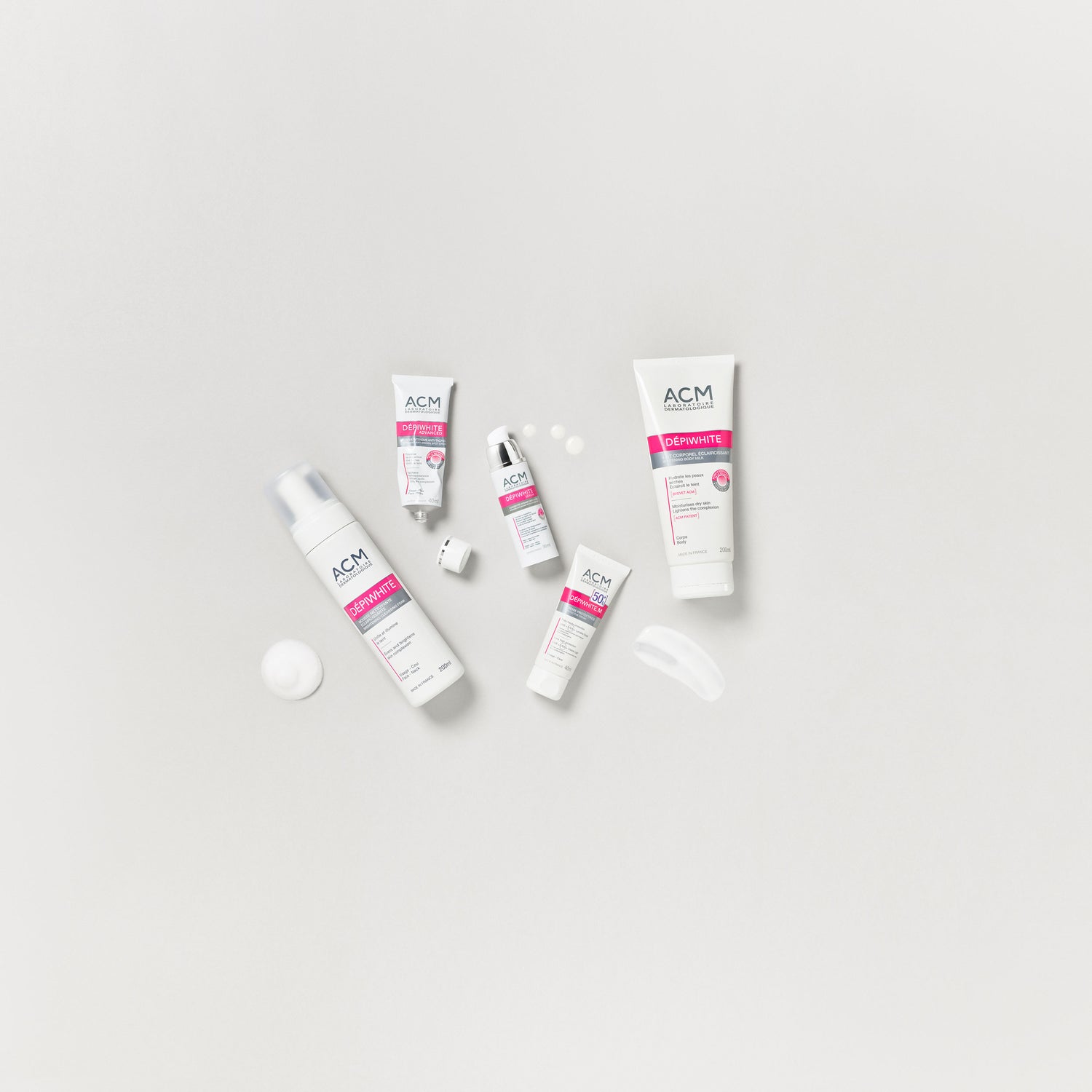
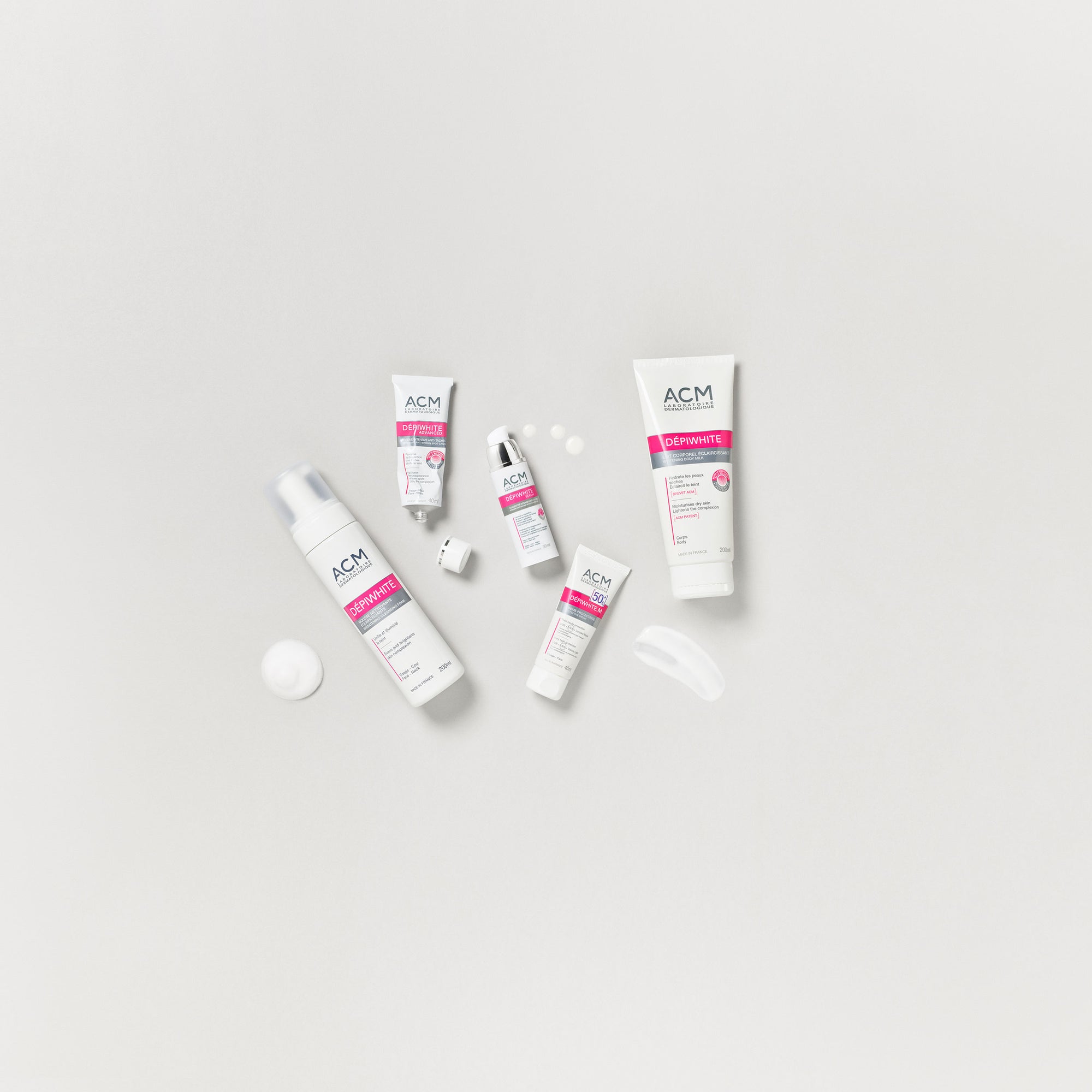
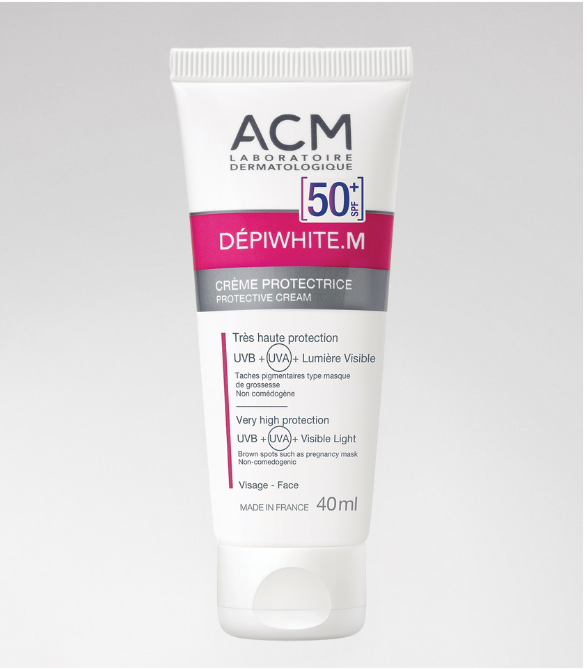
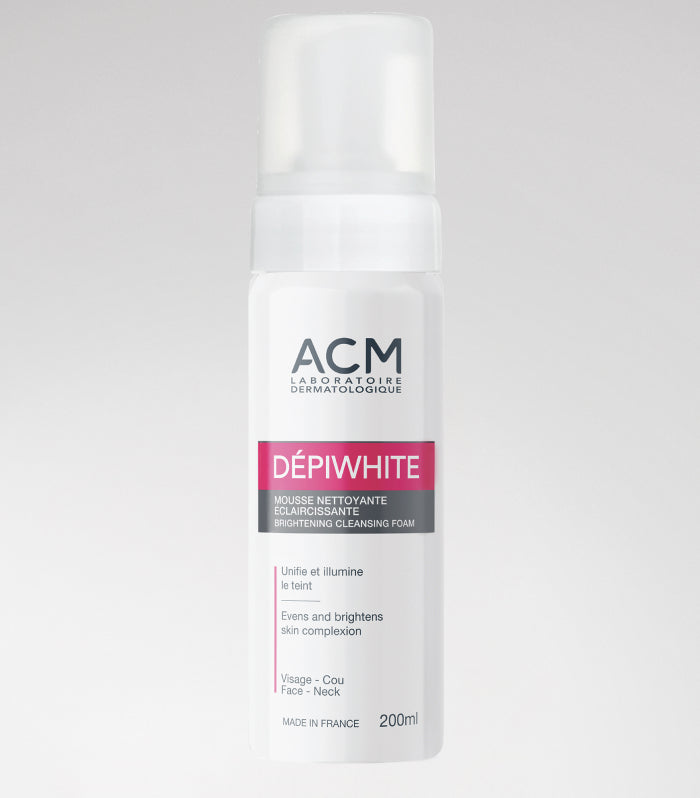
A consistent sun protection routine is essential. The Dépiwhite range offers broad-spectrum solutions with adapted depigmenting active ingredients.
Sources
Which products can help you?

Dépiwhite
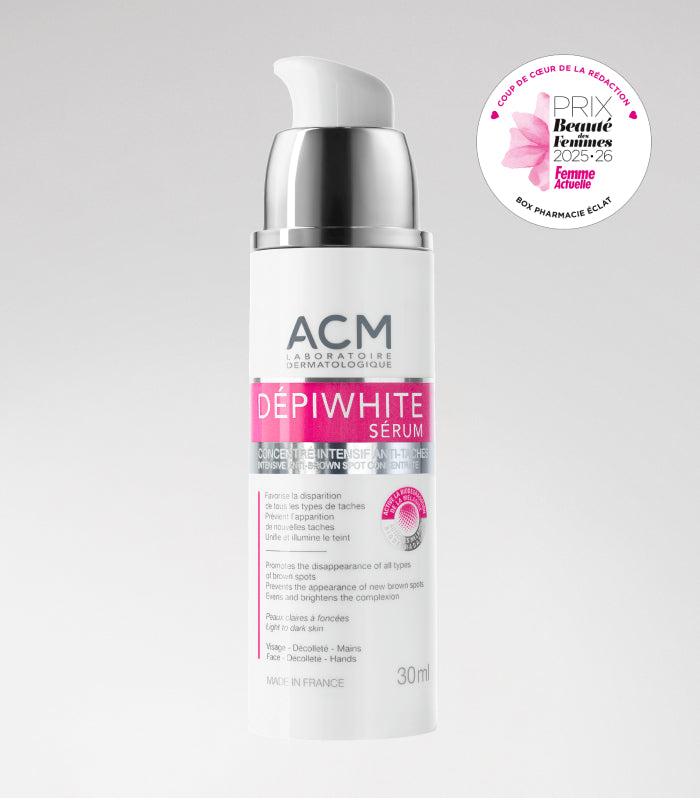
Dépiwhite Intensive Anti-Dark Spot Concentrated Serum
 102
Reviews
102
Reviews
The most complete anti-blemish serum
Dépiwhite
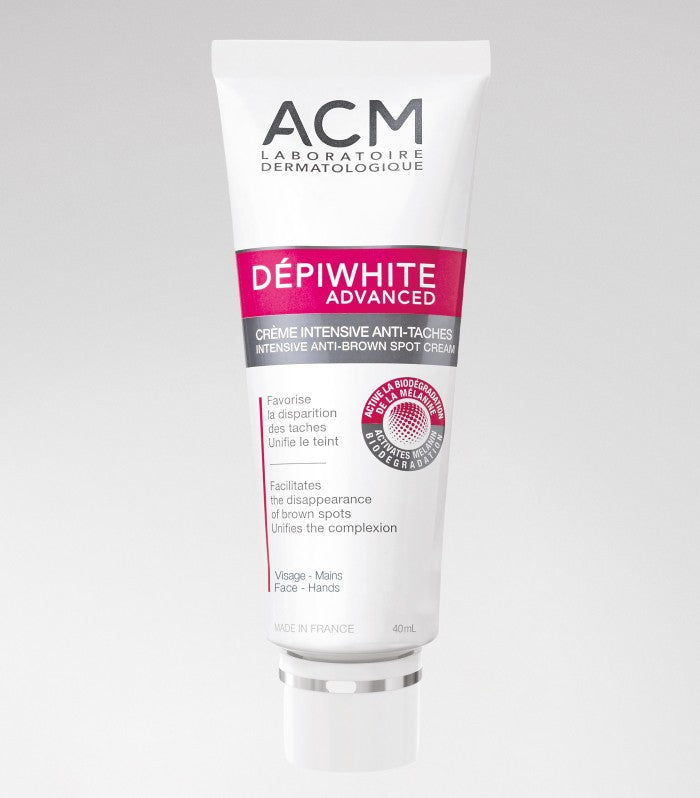
Advanced Intensive Anti-Dark Spot Cream
 148
Reviews
148
Reviews
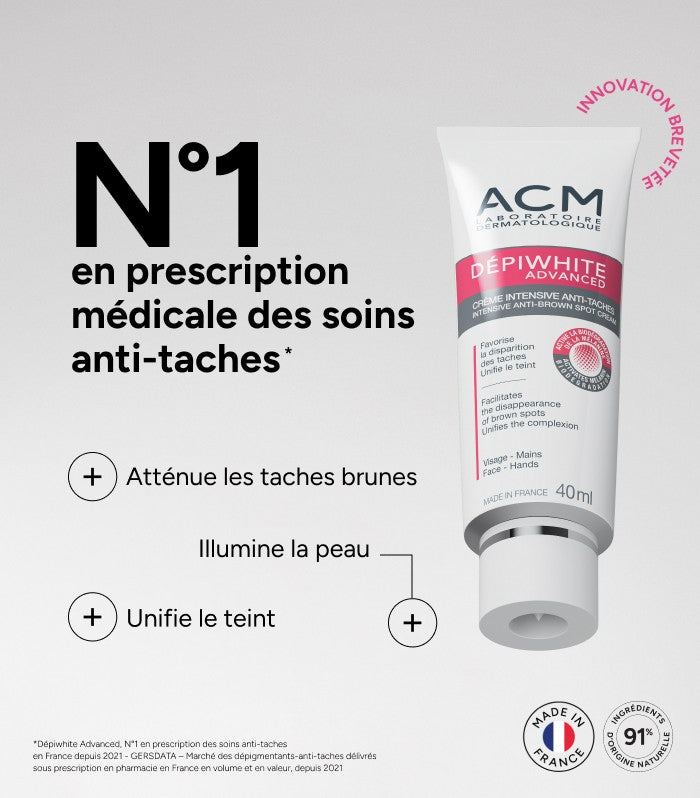
No. 1 in anti-blemish treatments

Read also
Rétinol : guide complet pour l'intégrer dans sa routine sans erreur
AHA 5 %, 10 %, 15 % : concentration et objectif