






















How do pigment spots form?
Summary
What is melanogenesis?
Melanogenesis is the process by which the skin's pigment cells, called melanocytes, produce melanin, the pigment responsible for the color of skin, hair, and eyes. This mechanism is primarily triggered by sun exposure, but also by hormonal changes, inflammation, or certain external aggressions.
Stages of melanin formation
- Melanocyte Activation Located in the basal layer of the epidermis, melanocytes are activated by multiple stimuli such as UV rays. Once activated, they initiate melanin production.
- The Key Enzyme: Tyrosinase Melanin production relies on an essential enzyme: tyrosinase, which converts the amino acid tyrosine into DOPA, then into dopaquinone—the first steps in melanin synthesis.
- Synthesis and Packaging Melanin is synthesized in specialized organelles called melanosomes. Depending on the type of melanin produced (eumelanin or pheomelanin), the color varies from dark brown to reddish.
- Transport and Distribution Melanosomes loaded with melanin are transferred to keratinocytes (the main cells of the epidermis), where they spread around the nucleus to protect DNA from UV rays.
When this process is disrupted, either by overstimulation (such as excessive sun exposure) or by melanocyte dysfunction, melanin accumulates locally, forming spots: this is hyperpigmentation.
Factors triggering hyperpigmentation
- Sun exposure: Primary factor. UV rays excessively stimulate melanogenesis, especially in higher phototypes.
- Hormonal changes: Melasma is often linked to pregnancy or contraceptive use.
- Skin inflammation: Lesions, acne, or aggressive cosmetic treatments can cause post-inflammatory hyperpigmentation.
- Genetic factors and age: Some individuals are predisposed to it or develop more spots over time.
Why is understanding this mechanism essential?
Better understanding the mechanisms of melanin production allows for targeted and effective action against hyperpigmentation. This involves rigorous photoprotection and the use of depigmenting active ingredients that act on different phases of melanogenesis.
How to prevent hyperpigmentation?
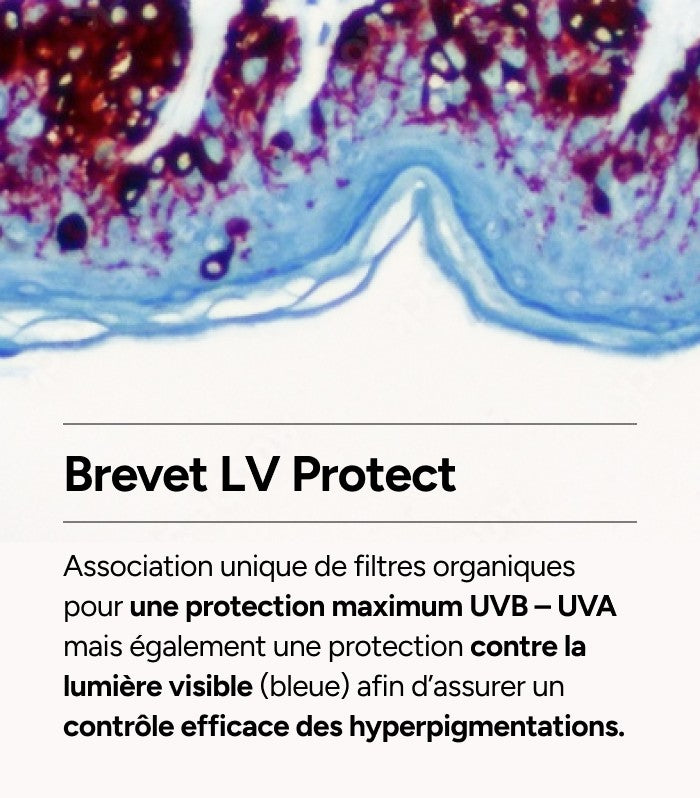
- Daily photoprotection: A broad-spectrum filter is essential. Even visible light can worsen certain spots.
- Avoid inflammation: Do not manipulate lesions and avoid medically unsupervised treatments.
- Regular depigmenting routine: Use targeted products that act on melanocyte stimulation.
Sources
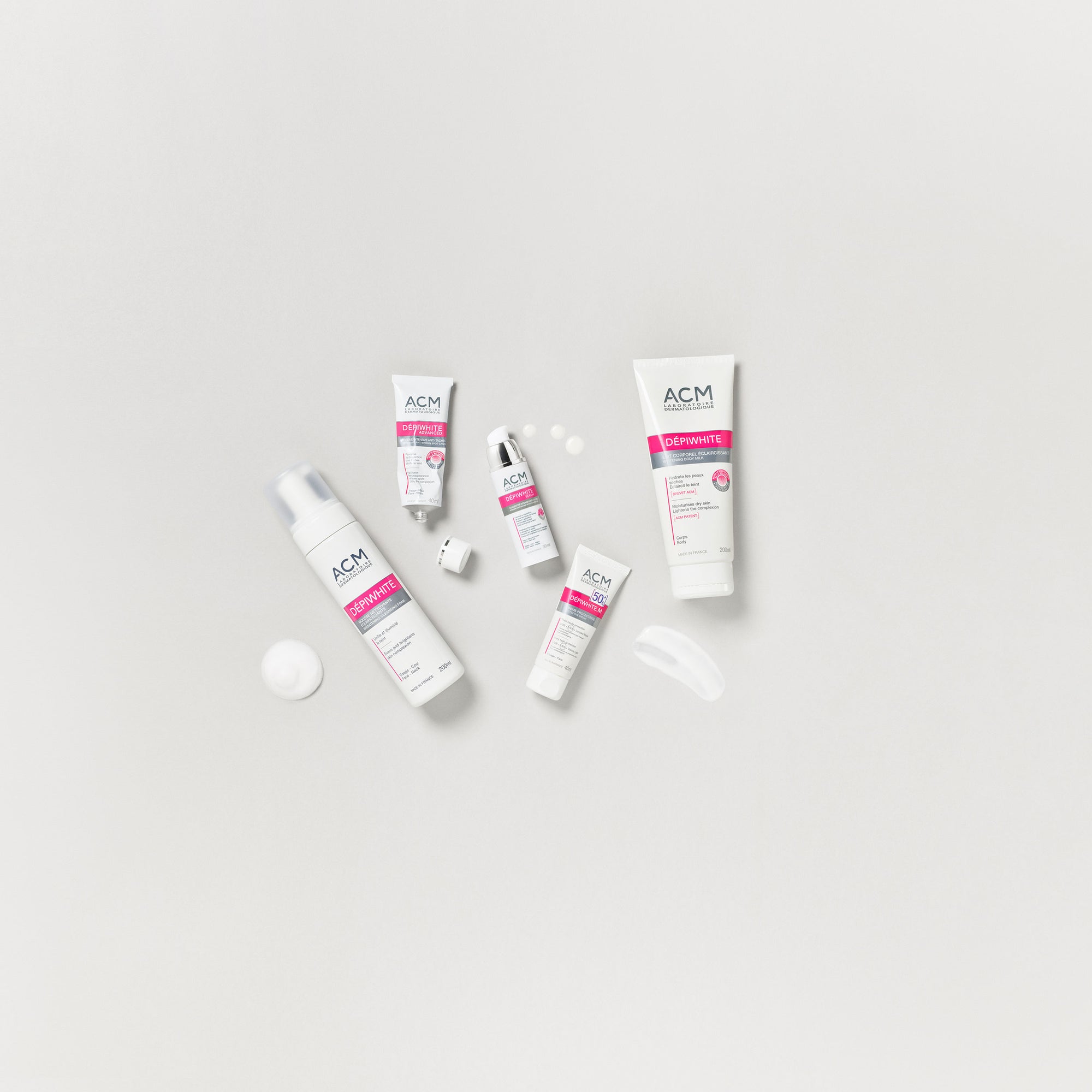
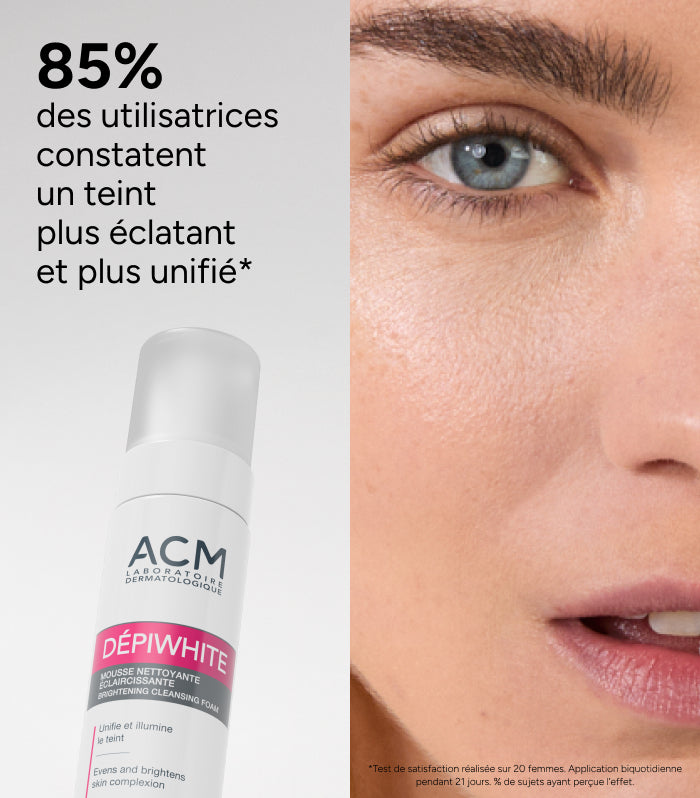
Our recommendation: the DEPIWHITE range
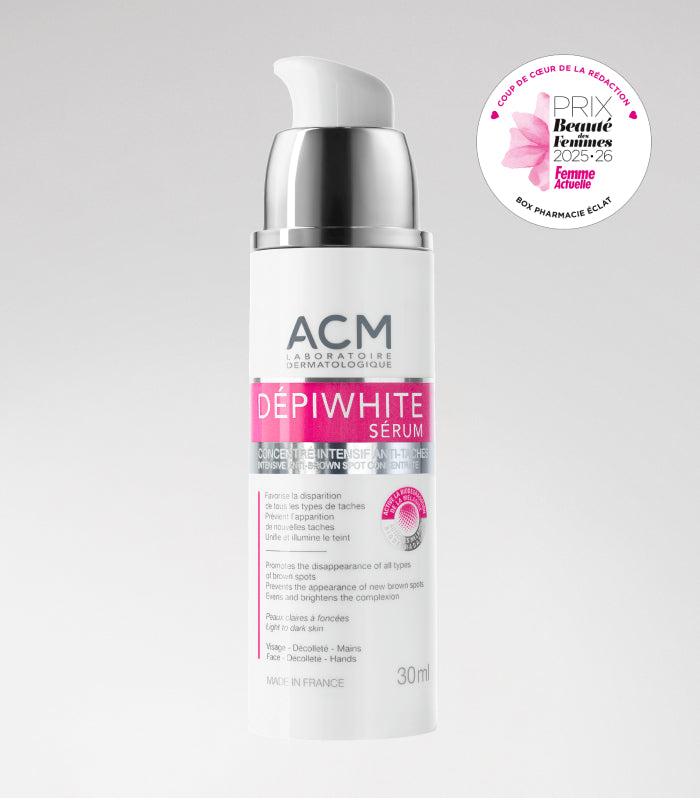

Dépiwhite
Dépiwhite Intensive Anti-Dark Spot Concentrated Serum
 102
Reviews
102
Reviews
The most complete anti-blemish serum
32€
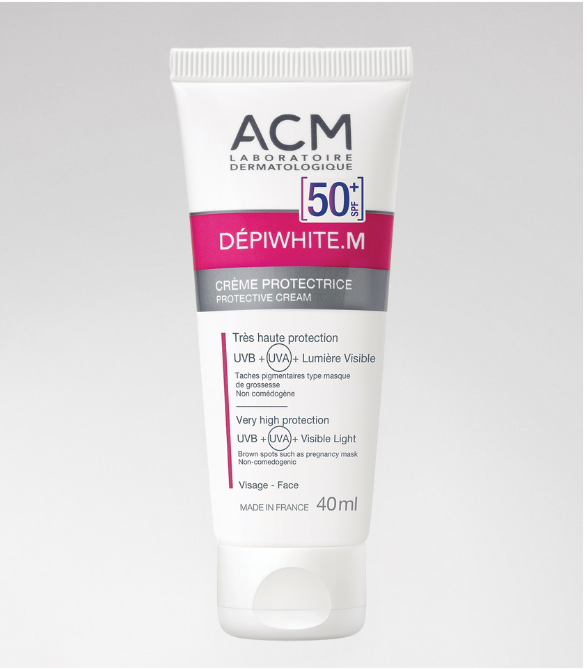

Dépiwhite
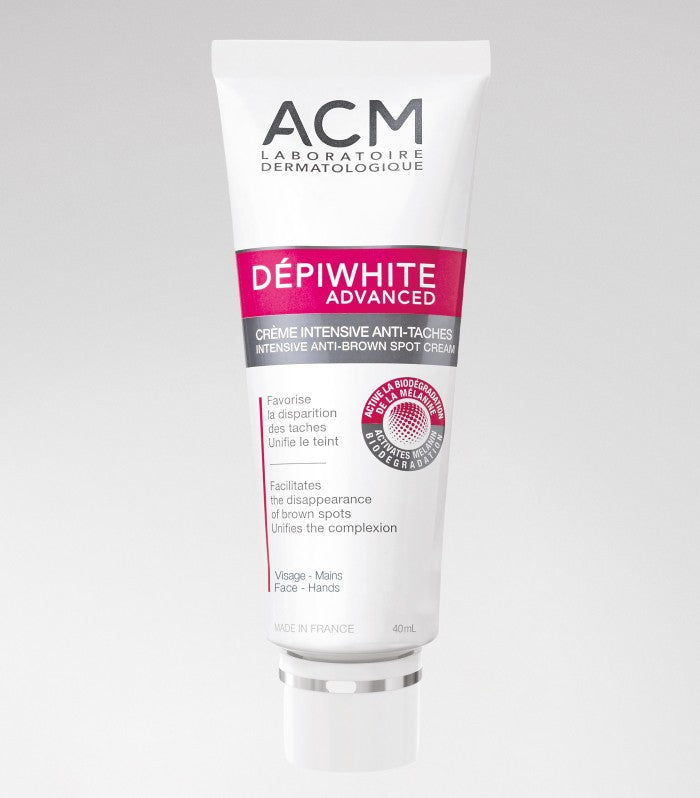
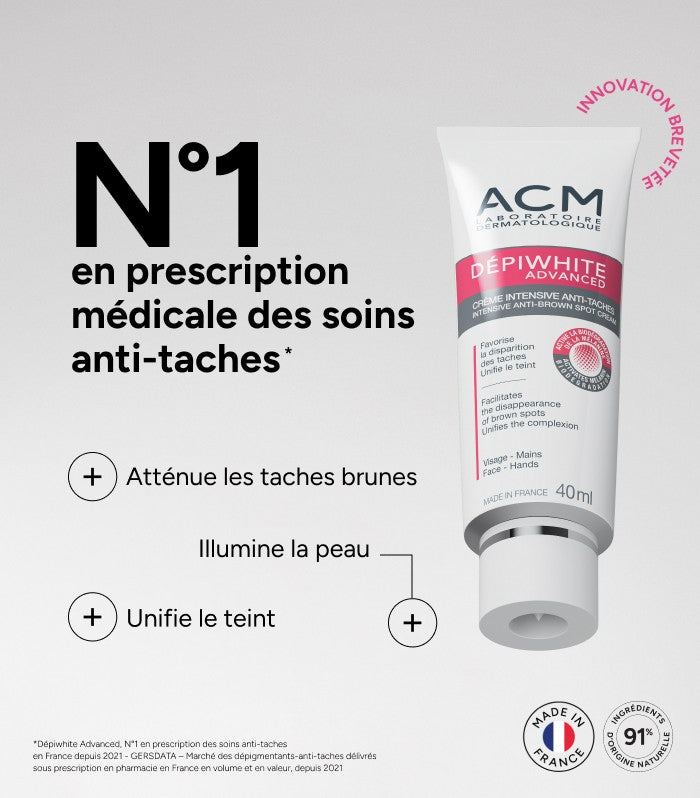
Advanced Intensive Anti-Dark Spot Cream
 148
Reviews
148
Reviews
No. 1 in anti-blemish treatments
30,10€
Read also
Actifs
Niacinamide (vitamine B3) : comment agit-elle sur la peau et pour qui ?
Sébum, imperfections, taches, peau fragilisée… La niacinamide est devenue un actif incontournable des soins dermatologiques grâce à sa polyvalence ...
Read more

Vieillissement cutané
Taches de vieillesse (lentigos séniles) : causes et solutions pour les atténuer
Les taches de vieillesse apparaissent surtout sur les zones exposées au soleil : visage, mains, décolleté ou avant-bras. Aussi appelées lentigos sé...
Read more

Rétinol : guide complet pour l'intégrer dans sa routine sans erreur
Le rétinol est loin d’être un effet de mode : ses propriétés anti-âge sont étudiées et documentées depuis les années 1970 en dermatologie. C’est mê...
Read more


FAQ
Pourquoi les taches apparaissent-elles souvent après l’été, voire des années plus tard ?
La lumière bleue des écrans peut-elle provoquer des taches ?
Pourquoi un bouton laisse-t-il parfois une tache brune ?


